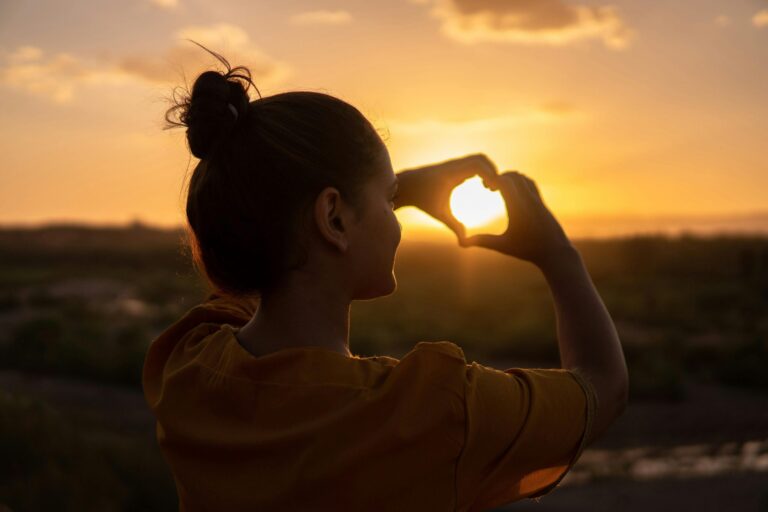
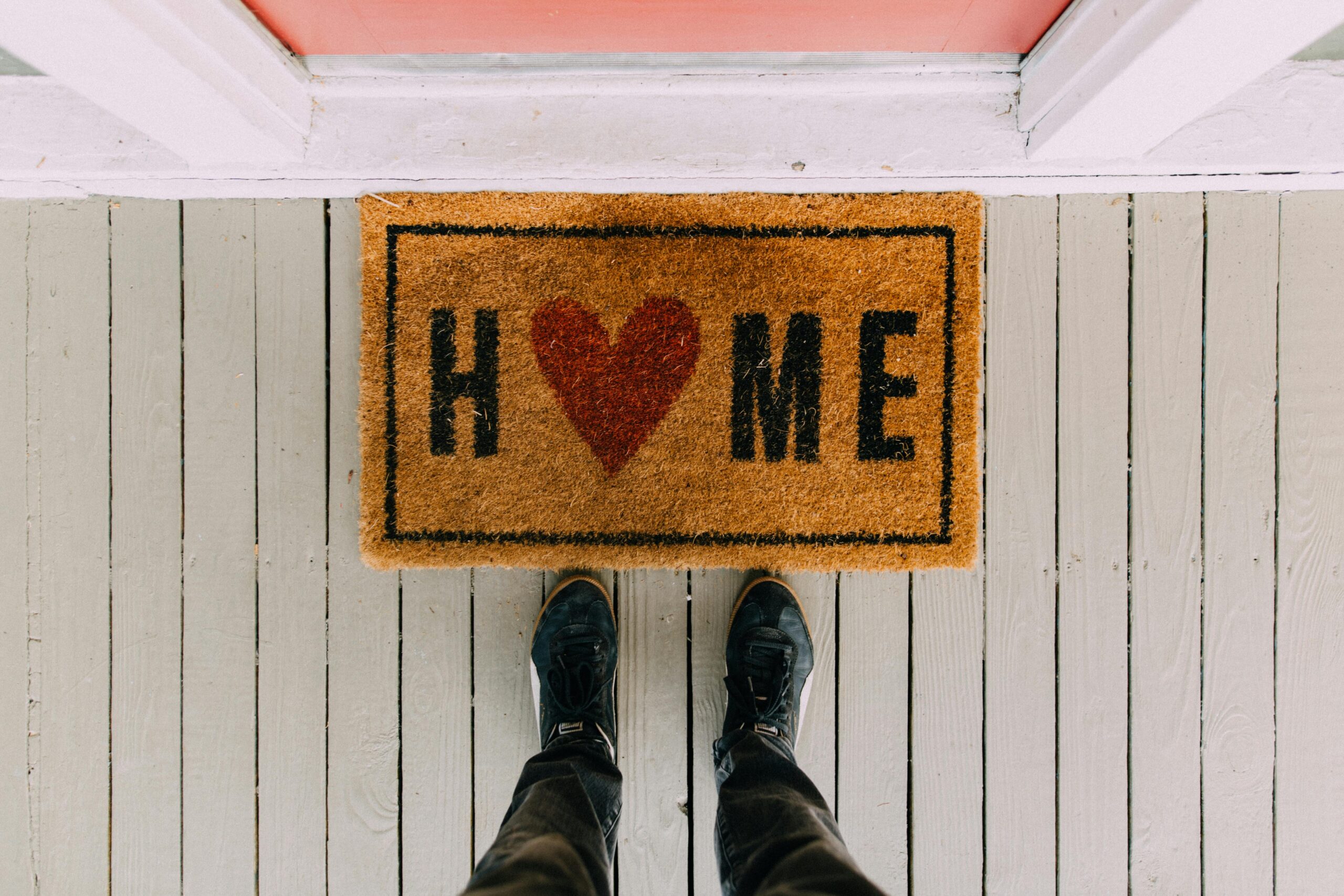

Is home defined by the people who fill it, or the place itself? Explore the emotional meaning of home, belonging, and connection in this heartfelt reflection.
What Does “Home” Really Mean?
There’s a question that lingers quietly in the back of our minds, especially when we move, grow, or lose something familiar:
What makes a place feel like home?
Is it the people who fill it?
Or the walls, streets, and corners that remember us long after we’ve gone?
I’ve wrestled with that question more than once during long nights in unfamiliar cities, in the echo of an empty childhood room, and even in the warmth of a friend’s laughter that made a café feel like a living room.
Maybe you’ve felt that too that strange, wordless recognition that home isn’t always where your mail arrives. Sometimes, it’s where your heart remembers how to exhale.
The Myth of the Address
We often treat home as something you can locate on a map a specific place with a key, a Wi-Fi password, and maybe a cozy couch.
We hang “Home Sweet Home” signs, burn “Fresh Linen” candles, and imagine that belonging comes from décor. But deep down, we know better. You can live somewhere for years and still feel like a guest. Or walk into a new space and somehow feel like it’s always been waiting for you.
Addresses are stable only on paper. In reality, we outgrow apartments, neighborhoods, and even hometowns. When we leave, the rooms that once held us never sound the same again.
And that’s when we start to suspect: maybe “home” isn’t a location after all.
The Power of People: Home as Connection
For many of us, home begins with people the ones who made room for us, literally and emotionally, when we didn’t know where we belonged.
As children, it might have been a parent who left the porch light on. As adults, it might be the friend who remembers your coffee order or the partner who lets you be fully yourself.
There’s a quiet truth in realizing that home can move with the people we love.
You can cross continents, and yet one familiar laugh, one shared memory, can make even a foreign city feel familiar.
A man I once met on a plane told me he’d lived in six countries. When I asked which one felt most like home, he smiled and said, “Wherever my daughter’s laughter can reach me.”
And maybe that’s it. Maybe home isn’t the space where we live but the emotional gravity that certain people create around us.
The Soul of Place: When Geography Holds Memory
But to say home is only about people would be unfair to the places that have held us.
Cities and towns breathe with our rhythm. Every street corner, every café, every tree-lined road can hold a version of who we used to be.
There’s the park bench that witnessed your teenage loneliness. The kitchen table that heard your family’s laughter. The smell of rain that exists only in your hometown.
Places remember us quietly, without words. When you return years later, that déjà vu is a kind of embrace: You were here once. You mattered.
A place can hold your ghosts gently. It can whisper what people sometimes forget: you belong.
The Intersection: Where Memory Meets Meaning
So perhaps home isn’t just people or place.
It’s what happens when they intersect when geography and memory weave together.
The people who make you feel most at home are tied to places in your mind: your grandmother’s kitchen, your friend’s apartment, your childhood bedroom.
And the places that felt most like home are animated by the ghosts of people laughter, arguments, love that once filled their air.
We don’t belong to people or to places; we belong to the moments where the two meet.
Losing Home, Finding Home Again
If you’ve ever lost your sense of home through a move, heartbreak, or even personal growth you know the ache of being homesick for something you can’t name.
But there’s a strange gift in that loss: it forces you to rebuild. You learn that home can be portable.
You start to find it in small, unexpected places a familiar song on the radio, a stranger’s kindness, the morning light in your kitchen.
Over time, you realize that home isn’t something you find once and keep forever. It’s something you keep creating every time you love, every time you feel seen, every time you make peace with who you are.
We don’t just find home. We become it.
The Home Within
At some point, we discover that all the external homes the people, the places are reflections of an internal one.
The truest home might be the one we carry inside:
the self we’ve built through experience, the quiet that doesn’t depend on company, the inner compass that always points us back to who we are.
When you can sit in your own silence and feel safe, when being alone doesn’t feel like being lost that’s when you’ve finally come home.
Because houses crumble. People leave.
But the home you build within yourself that one endures.
So, Is Home About People or Place?
If you asked me today, I’d say: it’s about connection.
Connection to people, yes those who remind us who we are.
Connection to place the landscapes that hold our memories.
But most of all, connection to ourselves the one constant that travels with us through every address, every heartbreak, every season of becoming.
Home isn’t found. It’s felt.
And if we’re lucky, we keep finding it in faces, in streets, in the quiet corners of our own hearts.